
Does Your Desk Job Hurt?

Common Aches We Treat (and How Sports Massage Can Help!).

If you spend long hours sitting at a desk, chances are you’ve felt the aches and pains that come with it. Stiff necks, tight shoulders, and lower back pain are common complaints among office workers, but the good news is that you don’t have to put up with the discomfort. At Free Your Body Therapy, we’re here to help you move better, feel better, and prevent those nagging desk-job aches from interfering with your life.

Why Does Sitting Cause Pain?

The human body is designed for movement, not hours of sitting hunched over a computer. Prolonged sitting can:

  • Put strain on your neck and shoulders, leading to tension headaches or stiffness.

  • Weaken your core muscles, causing poor posture and back pain.

  • Reduce circulation, leaving your muscles feeling tight and fatigued.

  • Increase stress on your hips and lower back, especially if your chair or desk setup isn’t ergonomic.

Over time, these issues can become chronic if not addressed, leading to decreased mobility, reduced productivity, and even injuries.

Common Areas of Pain We Treat:

Here at Free Your Body Therapy, we see a lot of clients with desk-job-related aches and pains, including:

  • Neck tension and stiffness: Often caused by looking down at screens or poor posture.

  • Shoulder pain: From rounded shoulders or prolonged keyboard use.

  • Lower back pain: Due to poor lumbar support or weak postural muscles.

  • Wrist and forearm strain: Common among those who type or use a mouse extensively.

How Sports Massage Can Help…

Sports massage isn’t just for athletes! It’s a fantastic way to relieve tension, improve circulation, and restore mobility, making it ideal for desk workers too. Our sports massage therapists can:

  • Release tight muscles in the neck, shoulders, and back.

  • Improve flexibility and range of motion.

  • Reduce stress and promote relaxation.

  • Prevent minor aches from becoming chronic issues.

What to Expect in a Sports Massage Session:

When you book a session with our skilled sports massage therapists, we’ll start by understanding your specific needs and problem areas. Whether you’re dealing with persistent stiffness or need a maintenance session to keep discomfort at bay, we’ll tailor your treatment to help you feel your best.

Quick Tips for Desk Workers:

In addition to regular sports massage, here are some simple tips to keep aches at bay:

  1. Adjust Your Workspace: Make sure your chair, desk, and screen height are ergonomically friendly.

  2. Take Breaks: Stand, stretch, or walk around every 30-60 minutes.

  3. Strengthen Postural Muscles: Exercises like Pilates can help improve posture and core strength.

  4. Hydrate: Staying hydrated keeps your muscles and joints happy.

Ready to Feel Better?

Don’t let desk-job aches hold you back. Book a sports massage session at Free Your Body Therapy today and start feeling the difference. Whether you need to relieve tension, improve your posture, or simply give yourself a much-needed reset, we’re here to help.

Let’s tackle those aches together!

FYB Team x

Why Do Physiotherapists LOVE the Reformer?

A Tool for Recovery and Performance!

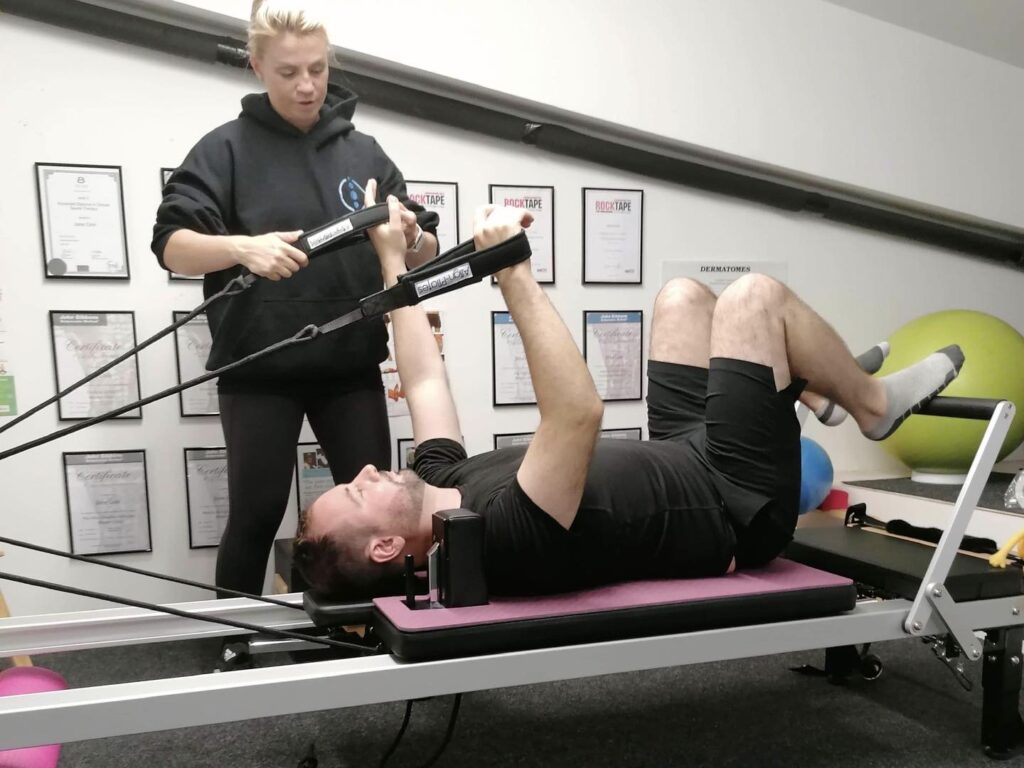
Traditional exercises and manual therapies may come to mind when you think of physiotherapy. But have you ever wondered why some physiotherapists, like me, incorporate the Pilates Reformer into their treatment plans? This innovative piece of equipment has a rich history and offers unique benefits that can bridge the gap between injury recovery and performance enhancement.

A Brief History of the Pilates Reformer:

Joseph Pilates invented the Pilates Reformer in the early 20th century as part of his comprehensive approach to physical fitness, which he called “Contrology.” Designed originally for rehabilitation, the Reformer helped bedridden patients regain strength and mobility. Over the years, it evolved into a versatile fitness tool embraced by athletes, dancers, and anyone looking to improve their physical capabilities.

Joseph’s concept was simple yet revolutionary: controlled resistance through springs and a sliding carriage could strengthen and lengthen muscles simultaneously. This principle is just as relevant today as it was a century ago, making the Reformer a natural fit for physiotherapy.

Why Do Physiotherapists Use the Reformer?

  1. Controlled Progression for Recovery:
    Rehabilitation often requires balancing the body’s challenges and protecting it from further strain. The Reformer beautifully provides this balance. Its adjustable resistance allows me to tailor exercises to your specific needs, whether you’re recovering, you’re undergoing surgery, managing chronic pain, or addressing a recent injury. For instance, gentle resistance can aid in reactivating weak muscles, while greater tension can gradually build strength in a controlled manner.

  2. Restoring Functional Movement:
    The Reformer is ideal for retraining movement patterns that may have been lost due to injury or compensations. It enables precise, guided movements that mimic real-life activities. This focus on functional movement ensures that progress in the clinic translates to better mobility and strength in your daily life.

  3. Joint-Friendly Exercise:
    Many exercises, especially those involving weights or impact, can strain joints. The Reformer offers a low-impact alternative that protects your joints while still providing an effective workout. This particularly benefits individuals with arthritis, joint replacements, or other conditions requiring careful load management.

  4. Strength and Mobility for Every Body:
    Whether you’re an elite you’re or a weekend gardener, the Reformer caters to all fitness levels. It’s especially visible for targeting deep stabilising muscles, which are often neglected in traditional workouts. This translates to better shoulder control, core stability, and overall movement efficiency for pole athletes, aerialists, or anyone performing overhead tasks.

Injured or Not: The Reformer Fits Your Goals:

  • For Injury Rehabilitation: The Reformer allows for early mobilisation and gentle strengthening during recovery. Its versatility makes it suitable for treating various conditions, from post-surgical recovery to chronic issues like back pain or tendinopathies.

  • For Performance Enhancement: Even if you’re injury-free you’re Reformer can elevate your fitness. With exercises that challenge your range of motion, control, and strength, it’s a powerful tool for mastering advanced movements or simply feeling stronger and more flexible in daily life.

A Personal Touch:

At my clinic, I use the Pilates Reformer not only as a treatment tool but also to empower my clients. Whether you’re an athlete looking for peak performance or someone navigating the challenges of an injury, the Reformer offers a path to better movement, confidence, and resilience.

Jane x

Chartered Physiotherapist