
Navigating Self-Care and Addressing Niggles in 2024
Continue reading
Navigating Self-Care and Addressing Niggles in 2024
Continue reading
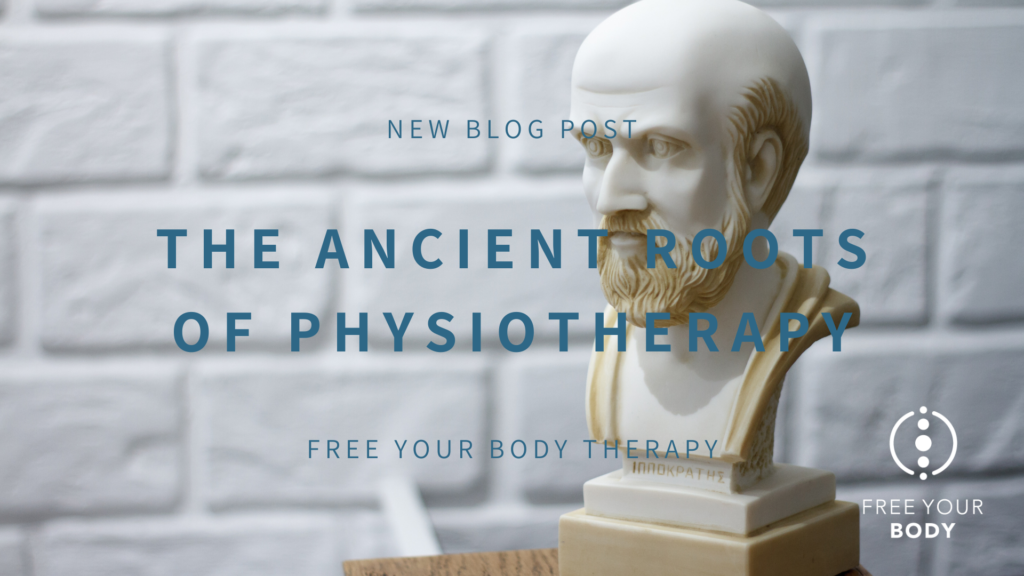
Did you know that physiotherapy, the modern science of physical healing and rehabilitation, has ancient roots that stretch back thousands of years? The intriguing history of physiotherapy is not only a testament to human ingenuity but also a story of continuous evolution in healthcare practices.
In ancient civilizations, such as Egypt, Greece, and China, healers and physicians utilised various physical therapy techniques to treat injuries and enhance mobility. Even in those early days, the importance of movement and exercise for healing was recognised.
Hippocrates: Pioneering Physical Therapy.
Hippocrates, the renowned ancient Greek physician often called the “Father of Western Medicine,” played a significant role in shaping the foundation of physiotherapy. He advocated for methods like massage, manual therapy, and hydrotherapy, recognising their therapeutic benefits. His emphasis on the natural healing power of physical activity laid the groundwork for what would eventually become modern physiotherapy.
The Evolution Continues.
Over centuries, physiotherapy continued to evolve. From rudimentary techniques practiced in ancient times to the sophisticated, evidence-based approaches used today, physiotherapy has come a long way. With advancements in medical knowledge, technology, and research, physiotherapists now employ a wide range of techniques, exercises, and therapies to help patients recover from injuries, manage chronic conditions, and improve overall well-being.
The Modern Physiotherapist: A Healthcare Expert.
Today, physiotherapists are highly skilled healthcare professionals who assess, diagnose, and treat a variety of physical conditions and injuries. They work with patients of all ages, helping them regain mobility, reduce pain, and improve their quality of life. Physiotherapy is not just about recovering from injuries; it’s also about preventing them, promoting healthy lifestyles, and optimising physical performance.
To end…
The fascinating journey of physiotherapy from ancient civilizations to the modern era showcases the enduring significance of movement and physical activity in human healing. As we appreciate the roots of this invaluable healthcare practice, let’s also acknowledge the dedicated physiotherapists who continue to make a difference in people’s lives every day. Physiotherapy is not just a profession; it’s a testament to the resilience of the human spirit and the power of healing through movement.
FYB Team x


As the vibrant colors of summer slowly give way to the warm, earthy hues of autumn, our bodies and minds must adapt to the changing season. September marks the official transition into fall, a time when the landscape transforms, and so do our daily routines and activities. While this shift in seasons can be beautiful and invigorating, it also brings with it an increased potential for injuries. In this blog post, we will explore the unique challenges that autumn and September present and offer guidance on how to stay safe and injury-free during this transitional period.
The September Shift!
September is a month of transition, both in terms of weather and lifestyle. The gradual decrease in daylight hours can affect our circadian rhythms, potentially leading to fatigue and changes in sleep patterns. The cooler temperatures may encourage people to become more active, especially after the often more relaxed pace of summer.
Fallen Leaves & Slippery Surfaces: One of the first things that come to mind when we think of autumn is the abundance of fallen leaves. While they create a picturesque landscape, they can also create hazards. Wet leaves on sidewalks and roads can become slippery, increasing the risk of slips, trips, and falls. These accidents can lead to injuries ranging from minor sprains to more severe fractures.
Changing Exercise Routines: The cooler weather often motivates individuals to engage in outdoor activities like hiking, jogging, or sports. However, a sudden increase in physical activity, especially without proper warm-up and conditioning, can result in muscle strains, ligament sprains, and overuse injuries.
Daylight Changes: As the days get shorter, many people find themselves exercising in reduced visibility conditions, such as early morning or evening workouts. This can increase the risk of accidents and injuries, as it becomes more challenging for drivers and pedestrians to see each other.
Seasonal Allergies: For some, autumn brings with it an uptick in seasonal allergies. Allergic reactions can cause discomfort, fatigue, and decreased performance in physical activities, potentially leading to injuries due to impaired focus and coordination.
Preventing Autumn Injuries:
Footwear Matters: Invest in appropriate footwear with good traction to reduce the risk of slipping on wet leaves or slippery surfaces. For outdoor sports, consider shoes designed for specific activities that provide support and stability.
Warm-Up & Stretch: Prioritise warm-up exercises and stretching routines before engaging in physical activities. This helps prepare your muscles and joints for increased activity and reduces the risk of strains and sprains.
Stay Visible: If you exercise during low-light hours, wear reflective gear and use lights or reflective accessories to make yourself visible to others.
Manage Allergies: If you suffer from seasonal allergies, consider taking allergy medication as recommended by your healthcare provider. This can help alleviate symptoms and ensure you can perform at your best.
Listen to Your Body: Pay attention to any signs of discomfort or pain during activities. Pushing through pain can lead to more severe injuries. If you experience persistent pain or discomfort, seek professional advice from one of our team.
Autumn and September bring a unique set of challenges and opportunities for outdoor activities and exercise. While the beauty of this season is undeniable, it’s crucial to remain vigilant and proactive in preventing potential injuries. By taking the necessary precautions, staying mindful of environmental factors, and listening to your body, you can fully enjoy the autumnal transition while minimising the risk of injuries. If you do experience any discomfort or injuries, don’t hesitate to reach out to our team who can provide expert guidance and treatment to help you stay active and healthy throughout the season.
Regards,
FYB Team x


Sports injuries can be a setback for athletes and active individuals, but with the right approach to recovery and rehabilitation, it’s possible to bounce back stronger than ever. In this blog post, we will explore the key steps involved in the recovery and rehabilitation process for sports injuries. From rest and nutrition to targeted exercises and gradual return-to-play protocols, we’ll guide you through the essential strategies for a successful recovery journey.
Understanding Recovery: Recovery is a vital component of the healing process. It involves different stages, including the acute, subacute, and chronic phases. Each stage has specific goals and strategies to optimise healing and restore function. Remember, patience and consistency are key during this phase.
Rest and Active Recovery: Resting and allowing the body time to heal is crucial. However, complete inactivity is not always recommended. Active recovery techniques such as low-impact exercises, gentle stretching, or mobility exercises can promote blood flow, reduce stiffness, and maintain muscle strength without exacerbating the injury.
Nutrition and Hydration: Proper nutrition and hydration play a significant role in supporting the recovery process. Ensure you have a well-balanced diet that includes essential nutrients, vitamins, and minerals. Adequate hydration helps facilitate tissue repair and reduces inflammation.
Rehabilitation Exercises: Structured rehabilitation exercises are vital for rebuilding strength, restoring range of motion, and improving overall function. Work with a sports therapist or osteopath to develop a personalised rehabilitation programme that includes range of motion exercises, strengthening exercises, and proprioceptive/balance exercises.
Modalities and Therapies: Modalities and therapies can enhance the recovery process. Heat/cold therapy, ultrasound, electrical stimulation, and manual therapies such as massage or myofascial release can aid in reducing pain, inflammation, muscle tension, and promoting tissue healing.
Gradual Return to Activity: Returning to sports or physical activities should be a gradual process. Follow a return-to-play protocol that ensures a safe and controlled progression. Listen to your body, monitor pain levels, and evaluate range of motion, strength, and functional tests before advancing to higher-intensity activities.
Psychological Support: Acknowledge the psychological impact of sports injuries. It’s common to experience frustration and a loss of motivation during the recovery process. Seek support from sports psychologists or counsellors to address emotional well-being and maintain a positive mindset throughout your journey.
Injury Prevention Measures: Prevention is key to avoiding future injuries. Incorporate injury prevention measures into your training routine. Modify techniques, address muscular imbalances, use proper protective equipment, and implement warm-up and cool-down routines to reduce the risk of re-injury.
Monitoring Progress: Stay proactive by monitoring your progress. Keep a pain or activity diary, measure range of motion, or perform strength tests to objectively evaluate improvement. Celebrate milestones and use them as motivation to keep pushing forward.
Collaboration with Professionals: Work closely with sports therapists, osteopaths, or other healthcare professionals who specialise in sports injury rehabilitation. They can provide expert guidance, ensure proper diagnosis, treatment, and progress monitoring throughout your recovery journey.
Recovering from a sports injury requires a comprehensive and disciplined approach. By prioritising rest, following a structured rehabilitation programme, and seeking the guidance of professionals, you can achieve a successful recovery and return to the activities you love. Remember to be patient, stay positive, and never hesitate to ask for support when needed. The road to recovery may have its challenges, but it can also be a transformative journey towards building resilience and reaching new heights in your athletic pursuits.
FYB Team x

Warming Up Before Exercise – Why You Really Need To…
We’ve probably all skipped a warmup before we’ve dived into a workout, right? We may have even reasoned with avoiding it because we’ll ‘warm up during exercise’, or ‘it’s just a pre-workout before my workout so what’s the point?’.
If you’re a warmup-skipper, here are the reasons you might want to reconsider.
Warmups prepare your muscles for activity:
Think of your muscles like a car engine. They aren’t raring to go at every hour of the day. A lot of the time, they’re sitting fairly dormant or with certain parts under/overworked and expecting them to perform at their best instantly is expecting too much.
Warming up activates your muscles to lengthen and switches on the ‘stretch reflex’, sending signals to the brain that essentially optimises and ‘warms up’ your muscles in preparation for exercise.
Muscles that have been effectively warmed up are better primed to perform at their best.
Warmups help avoid injuries:
All the muscle groups you’re using throughout your workout start off ‘cold’ until they are warmed up and begin to function and move more fluidly. Your muscle groups have ligaments, tendons and cartilage with blood flowing through them, and when they’re made to work hard without being warmed up, they’re at more risk of straining, tightening, and even snapping.
By warming up those hardworking parts, you help them to have a better range of movement and elasticity, decreasing your risk of injury during your workout.
Your warmup depends on your workout:
Warmups aren’t a ‘one size fits all’ approach to exercising at peak performance. Afterall, there are around 640 skeletal muscles in the average human body, organised into major groups, each responsible for their own area. Unless you’re some kind of superhero, you’re probably not going to use all of them in your workout.
Different workouts with different intensities call for different warmups. For example, runners focus on warming up areas such as the hamstrings and quadriceps, while upper body workout warmups will need to target pectorals, trapezius, triceps, and biceps.
Stretching – Dynamic vs Static:
Dynamic stretching (jogging on the spot, bodyweight squats etc.) are perfect for warming up because it helps the muscles reach their full range of motion in a way that is functional and constantly active while increasing blood flow to help gear them up for action. Static stretching (long holds in the same stretched position) are ideal as a post-workout cooldown, but as a warmup, they allow the muscles to lengthen but not contract, meaning they’re not getting the full range of motion they need.
Jane & Terry x
