Why Do Physiotherapists LOVE the Reformer?
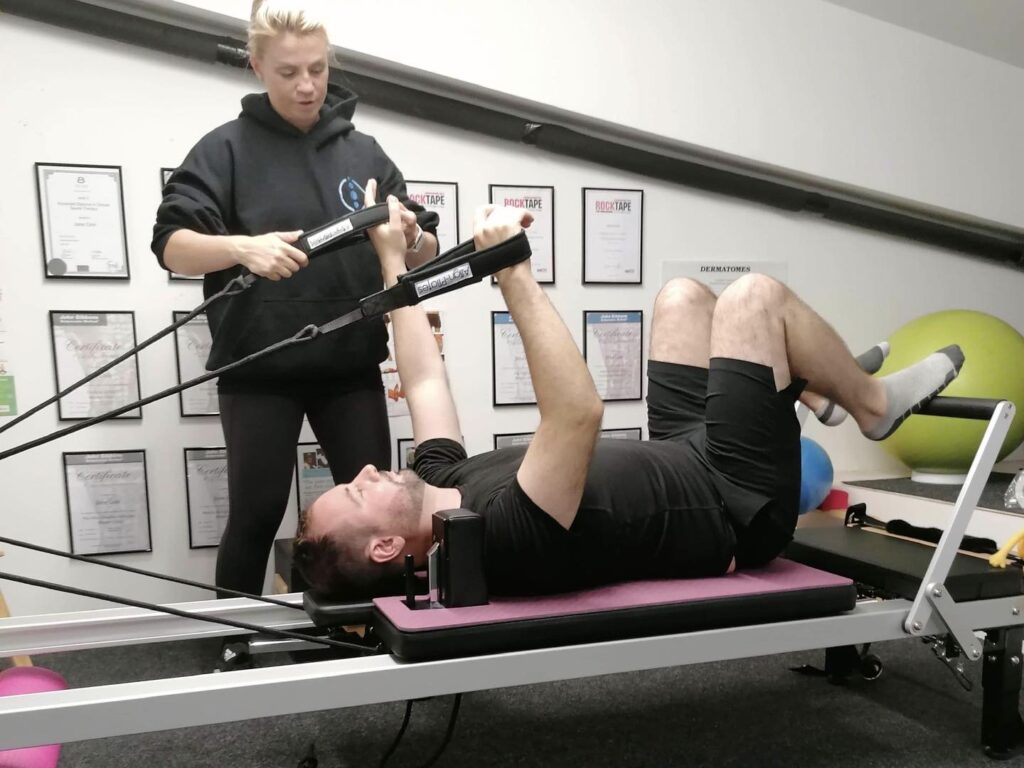
A Tool for Recovery and Performance!
Traditional exercises and manual therapies may come to mind when you think of physiotherapy. But have you ever wondered why some physiotherapists, like me, incorporate the Pilates Reformer into their treatment plans? This innovative piece of equipment has a rich history and offers unique benefits that can bridge the gap between injury recovery and performance enhancement.
A Brief History of the Pilates Reformer:
Joseph Pilates invented the Pilates Reformer in the early 20th century as part of his comprehensive approach to physical fitness, which he called “Contrology.” Designed originally for rehabilitation, the Reformer helped bedridden patients regain strength and mobility. Over the years, it evolved into a versatile fitness tool embraced by athletes, dancers, and anyone looking to improve their physical capabilities.
Joseph’s concept was simple yet revolutionary: controlled resistance through springs and a sliding carriage could strengthen and lengthen muscles simultaneously. This principle is just as relevant today as it was a century ago, making the Reformer a natural fit for physiotherapy.
Why Do Physiotherapists Use the Reformer?
Controlled Progression for Recovery:
Rehabilitation often requires balancing the body’s challenges and protecting it from further strain. The Reformer beautifully provides this balance. Its adjustable resistance allows me to tailor exercises to your specific needs, whether you’re recovering, you’re undergoing surgery, managing chronic pain, or addressing a recent injury. For instance, gentle resistance can aid in reactivating weak muscles, while greater tension can gradually build strength in a controlled manner.Restoring Functional Movement:
The Reformer is ideal for retraining movement patterns that may have been lost due to injury or compensations. It enables precise, guided movements that mimic real-life activities. This focus on functional movement ensures that progress in the clinic translates to better mobility and strength in your daily life.Joint-Friendly Exercise:
Many exercises, especially those involving weights or impact, can strain joints. The Reformer offers a low-impact alternative that protects your joints while still providing an effective workout. This particularly benefits individuals with arthritis, joint replacements, or other conditions requiring careful load management.Strength and Mobility for Every Body:
Whether you’re an elite you’re or a weekend gardener, the Reformer caters to all fitness levels. It’s especially visible for targeting deep stabilising muscles, which are often neglected in traditional workouts. This translates to better shoulder control, core stability, and overall movement efficiency for pole athletes, aerialists, or anyone performing overhead tasks.
Injured or Not: The Reformer Fits Your Goals:
For Injury Rehabilitation: The Reformer allows for early mobilisation and gentle strengthening during recovery. Its versatility makes it suitable for treating various conditions, from post-surgical recovery to chronic issues like back pain or tendinopathies.
For Performance Enhancement: Even if you’re injury-free you’re Reformer can elevate your fitness. With exercises that challenge your range of motion, control, and strength, it’s a powerful tool for mastering advanced movements or simply feeling stronger and more flexible in daily life.
A Personal Touch:
At my clinic, I use the Pilates Reformer not only as a treatment tool but also to empower my clients. Whether you’re an athlete looking for peak performance or someone navigating the challenges of an injury, the Reformer offers a path to better movement, confidence, and resilience.
Jane x
Chartered Physiotherapist