Pilates serves as a dynamic tool for rehabilitation, targeting specific muscle groups and promoting balanced strength. Whether recovering from injury or managing chronic conditions, our personalised Pilates sessions offer a pathway to recovery and resilience.
At Free Your Body Therapy, we understand the importance of being fully prepared for the demands of running, which is why we offer a comprehensive range of services designed to support runners at every level.
The Ancient Roots of Physiotherapy: A Journey Through Time.
Did you know that physiotherapy, the modern science of physical healing and rehabilitation, has ancient roots that stretch back thousands of years? The intriguing history of physiotherapy is not only a testament to human ingenuity but also a story of continuous evolution in healthcare practices.
In ancient civilizations, such as Egypt, Greece, and China, healers and physicians utilised various physical therapy techniques to treat injuries and enhance mobility. Even in those early days, the importance of movement and exercise for healing was recognised.
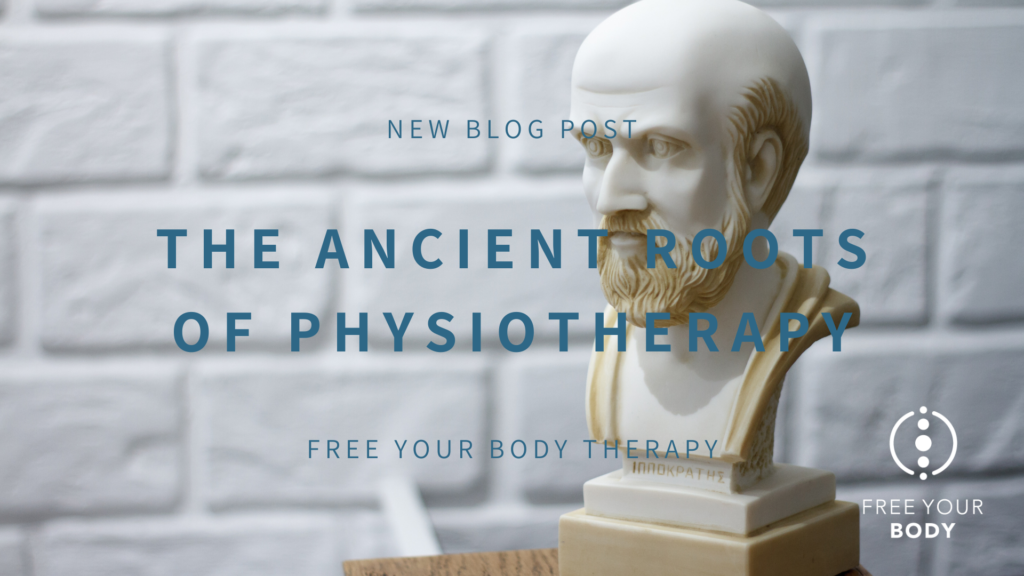
Hippocrates: Pioneering Physical Therapy.
Hippocrates, the renowned ancient Greek physician often called the “Father of Western Medicine,” played a significant role in shaping the foundation of physiotherapy. He advocated for methods like massage, manual therapy, and hydrotherapy, recognising their therapeutic benefits. His emphasis on the natural healing power of physical activity laid the groundwork for what would eventually become modern physiotherapy.
The Evolution Continues.
Over centuries, physiotherapy continued to evolve. From rudimentary techniques practiced in ancient times to the sophisticated, evidence-based approaches used today, physiotherapy has come a long way. With advancements in medical knowledge, technology, and research, physiotherapists now employ a wide range of techniques, exercises, and therapies to help patients recover from injuries, manage chronic conditions, and improve overall well-being.
The Modern Physiotherapist: A Healthcare Expert.
Today, physiotherapists are highly skilled healthcare professionals who assess, diagnose, and treat a variety of physical conditions and injuries. They work with patients of all ages, helping them regain mobility, reduce pain, and improve their quality of life. Physiotherapy is not just about recovering from injuries; it’s also about preventing them, promoting healthy lifestyles, and optimising physical performance.
To end…
The fascinating journey of physiotherapy from ancient civilizations to the modern era showcases the enduring significance of movement and physical activity in human healing. As we appreciate the roots of this invaluable healthcare practice, let’s also acknowledge the dedicated physiotherapists who continue to make a difference in people’s lives every day. Physiotherapy is not just a profession; it’s a testament to the resilience of the human spirit and the power of healing through movement.
Navigating Autumn: The September Shift and the Potential for Injuries!
As the vibrant colors of summer slowly give way to the warm, earthy hues of autumn, our bodies and minds must adapt to the changing season. September marks the official transition into fall, a time when the landscape transforms, and so do our daily routines and activities. While this shift in seasons can be beautiful and invigorating, it also brings with it an increased potential for injuries. In this blog post, we will explore the unique challenges that autumn and September present and offer guidance on how to stay safe and injury-free during this transitional period.
The September Shift!
September is a month of transition, both in terms of weather and lifestyle. The gradual decrease in daylight hours can affect our circadian rhythms, potentially leading to fatigue and changes in sleep patterns. The cooler temperatures may encourage people to become more active, especially after the often more relaxed pace of summer.
Fallen Leaves & Slippery Surfaces: One of the first things that come to mind when we think of autumn is the abundance of fallen leaves. While they create a picturesque landscape, they can also create hazards. Wet leaves on sidewalks and roads can become slippery, increasing the risk of slips, trips, and falls. These accidents can lead to injuries ranging from minor sprains to more severe fractures.
Changing Exercise Routines: The cooler weather often motivates individuals to engage in outdoor activities like hiking, jogging, or sports. However, a sudden increase in physical activity, especially without proper warm-up and conditioning, can result in muscle strains, ligament sprains, and overuse injuries.
Daylight Changes: As the days get shorter, many people find themselves exercising in reduced visibility conditions, such as early morning or evening workouts. This can increase the risk of accidents and injuries, as it becomes more challenging for drivers and pedestrians to see each other.
Seasonal Allergies: For some, autumn brings with it an uptick in seasonal allergies. Allergic reactions can cause discomfort, fatigue, and decreased performance in physical activities, potentially leading to injuries due to impaired focus and coordination.
Preventing Autumn Injuries:
Footwear Matters: Invest in appropriate footwear with good traction to reduce the risk of slipping on wet leaves or slippery surfaces. For outdoor sports, consider shoes designed for specific activities that provide support and stability.
Warm-Up & Stretch: Prioritise warm-up exercises and stretching routines before engaging in physical activities. This helps prepare your muscles and joints for increased activity and reduces the risk of strains and sprains.
Stay Visible: If you exercise during low-light hours, wear reflective gear and use lights or reflective accessories to make yourself visible to others.
Manage Allergies: If you suffer from seasonal allergies, consider taking allergy medication as recommended by your healthcare provider. This can help alleviate symptoms and ensure you can perform at your best.
Listen to Your Body: Pay attention to any signs of discomfort or pain during activities. Pushing through pain can lead to more severe injuries. If you experience persistent pain or discomfort, seek professional advice from one of our team.
Autumn and September bring a unique set of challenges and opportunities for outdoor activities and exercise. While the beauty of this season is undeniable, it’s crucial to remain vigilant and proactive in preventing potential injuries. By taking the necessary precautions, staying mindful of environmental factors, and listening to your body, you can fully enjoy the autumnal transition while minimising the risk of injuries. If you do experience any discomfort or injuries, don’t hesitate to reach out to our team who can provide expert guidance and treatment to help you stay active and healthy throughout the season.
Sports injuries can be a setback for athletes and active individuals, but with the right approach to recovery and rehabilitation, it’s possible to bounce back stronger than ever. In this blog post, we will explore the key steps involved in the recovery and rehabilitation process for sports injuries. From rest and nutrition to targeted exercises and gradual return-to-play protocols, we’ll guide you through the essential strategies for a successful recovery journey.
Understanding Recovery: Recovery is a vital component of the healing process. It involves different stages, including the acute, subacute, and chronic phases. Each stage has specific goals and strategies to optimise healing and restore function. Remember, patience and consistency are key during this phase.
Rest and Active Recovery: Resting and allowing the body time to heal is crucial. However, complete inactivity is not always recommended. Active recovery techniques such as low-impact exercises, gentle stretching, or mobility exercises can promote blood flow, reduce stiffness, and maintain muscle strength without exacerbating the injury.
Nutrition and Hydration: Proper nutrition and hydration play a significant role in supporting the recovery process. Ensure you have a well-balanced diet that includes essential nutrients, vitamins, and minerals. Adequate hydration helps facilitate tissue repair and reduces inflammation.
Rehabilitation Exercises: Structured rehabilitation exercises are vital for rebuilding strength, restoring range of motion, and improving overall function. Work with a sports therapist or osteopath to develop a personalised rehabilitation programme that includes range of motion exercises, strengthening exercises, and proprioceptive/balance exercises.
Modalities and Therapies: Modalities and therapies can enhance the recovery process. Heat/cold therapy, ultrasound, electrical stimulation, and manual therapies such as massage or myofascial release can aid in reducing pain, inflammation, muscle tension, and promoting tissue healing.
Gradual Return to Activity: Returning to sports or physical activities should be a gradual process. Follow a return-to-play protocol that ensures a safe and controlled progression. Listen to your body, monitor pain levels, and evaluate range of motion, strength, and functional tests before advancing to higher-intensity activities.
Psychological Support: Acknowledge the psychological impact of sports injuries. It’s common to experience frustration and a loss of motivation during the recovery process. Seek support from sports psychologists or counsellors to address emotional well-being and maintain a positive mindset throughout your journey.
Injury Prevention Measures: Prevention is key to avoiding future injuries. Incorporate injury prevention measures into your training routine. Modify techniques, address muscular imbalances, use proper protective equipment, and implement warm-up and cool-down routines to reduce the risk of re-injury.
Monitoring Progress: Stay proactive by monitoring your progress. Keep a pain or activity diary, measure range of motion, or perform strength tests to objectively evaluate improvement. Celebrate milestones and use them as motivation to keep pushing forward.
Collaboration with Professionals: Work closely with sports therapists, osteopaths, or other healthcare professionals who specialise in sports injury rehabilitation. They can provide expert guidance, ensure proper diagnosis, treatment, and progress monitoring throughout your recovery journey.
Recovering from a sports injury requires a comprehensive and disciplined approach. By prioritising rest, following a structured rehabilitation programme, and seeking the guidance of professionals, you can achieve a successful recovery and return to the activities you love. Remember to be patient, stay positive, and never hesitate to ask for support when needed. The road to recovery may have its challenges, but it can also be a transformative journey towards building resilience and reaching new heights in your athletic pursuits.
All of us have been affected by the coronavirus (COVID-19) pandemic.
We have missed being able to offer you the therapies that we know you love, and we are looking forward to seeing you again as soon as possible.
What have we been up to:
Our priority has always been to keep you as safe as possible and in the new world this is no different. Prior to re-opening the clinic we have implemented a number of changes, which we would like to make you aware of. During the time the clinic has been shut, we have completed many Coronavirus (COVID-19) Infection Prevention & Control courses, which is accredited by various trade bodies for our industry, as well as more Continued Professional Development courses to keep our training at the very best level possible.
Creating a summary of best practice advice and guidance distilled from Public Health England, the World Health Organisation and the Centre for Disease Control (USA) about the important things to consider in respect of health and social care practice in current COVID-19 environment. We have since made a number of changes in the way that we operate that you will notice when you next visit.
Our Treatments
We have carried out a risk assessment on all treatments and we are confident that we can continue to provide these safely.
Before Booking or Attending Appointments
If you or any of the people you live with feel ill or display any symptoms of C0VlD-19 – please advise us as soon as possible and DO NOT COME TO THE CLINIC FOR YOUR APPOINTMENT, you must call or email to reschedule your appointment to avoid being charged for late cancel.
Appointments to be handled via booking system online where possible, telephone bookings or within appointment direct with therapist as there will be no reception facility.
Payments will only be accepted via card / electronically on booking at this time.
If any of our staff feel ill or have symptoms of C0VlD-19, they will self-isolate immediately and not come into the clinic.
This may mean that we have to cancel your appointment at short notice. We appreciate that this may be inconvenient but it is done entirely for your own safety. If your appointment is cancelled you will be able to re-book again for an alternative time or with another Therapist.
Prior to your Appointment (Pre-Screen):
Clients will be screened where prior to attendance of their appointment, this can be via email / electronically or via telephone to make sure that they are no symptoms, nobody within their household has symptoms as from guidelines.
Phase 1: This will also establish whether the appointment is necessary, that the client has urgent care needs which if not met, would have required care from GP’s or front line services, in an effort to reduce the need on the already strained NHS. Phase 2: All general appointments accepted – but still pre-screened. Phase 3: Pre-Screen removed and returned to normal clinic activities.
Visiting the Clinic – Patient Flow & Social Distancing:
For your safety and to maintain social distancing, we ask that you attend your appointments as close to the appointment time as possible. Please do not turn up early for appointments as this may mean that you come into contact with other clients who are just leaving. To reduce crossover you will be asked to wait in your car outside the clinic and will be called in at the time of your appointment by your Therapist.
To reduce the amount of people close together only the client and therapist will be allowed with treatment sessions, no chaperones unless under 18 years old will be permitted, we will not have any waiting areas available so you will be asked to wait outside the clinic.
Appointments will be spaced apart to allow extra time for increased cleaning of high touch and used areas, and to avoid crossover of clients within the Clinic.
Hand Washing & Hand Sanitiser:
Our Therapists understand the importance of hand hygiene and we will ensure that we wash our hands and / or the use of Hand Sanitiser in according with NHS recommendations before the start of your treatment, and as often as needed throughout the appointment.
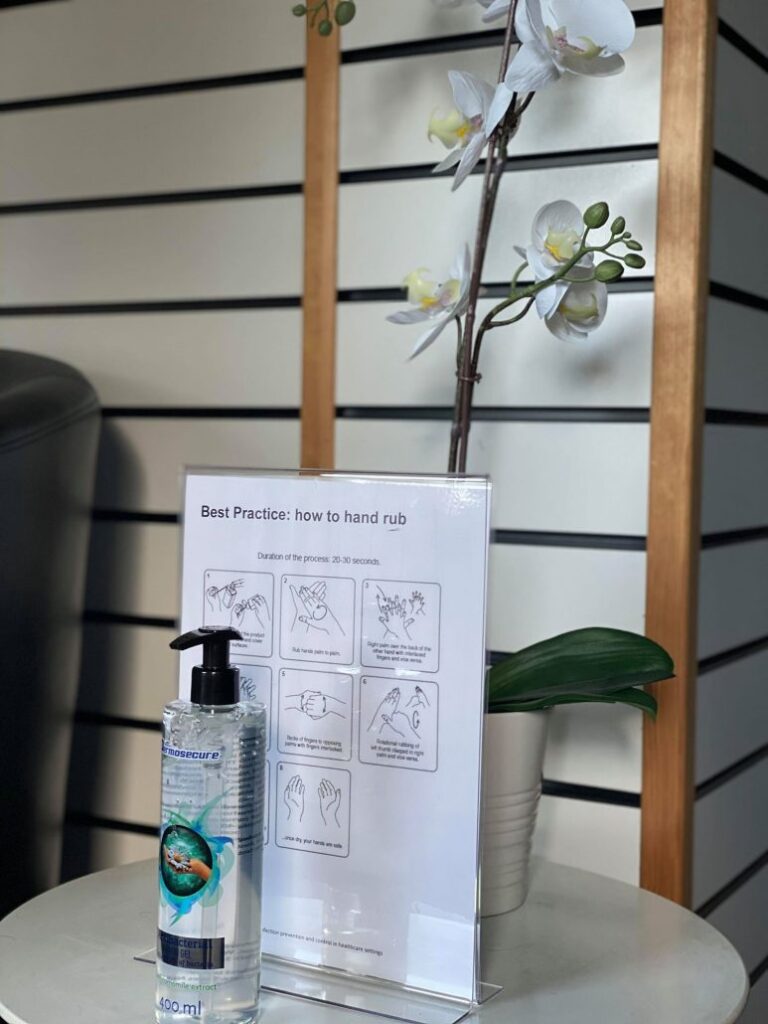
Hand Washing and / or the use of Hand Sanitiser (At least 60% alcohol based – in line with guidelines) will be required by each client at the start of their appointment and the Therapist will also repeat this.
Hand Sanitiser is available on entry at Reception area, each room and toilet areas.
This can be repeated as often as necessary.
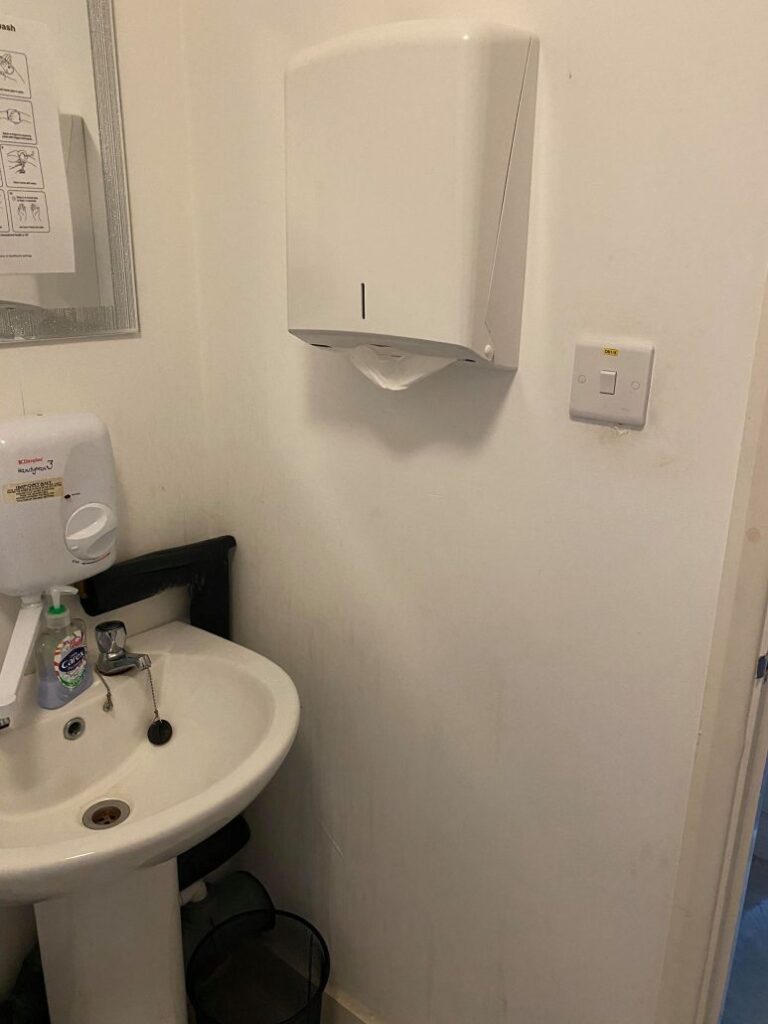
Paper towels are available in each toilet area and disposed of in paper only baskets.
After the Appointment:
We will understand and not be offended if you wish to wear a facemask or wear disposable gloves when you visit the clinic and during your treatment if this is appropriate.
Please don’t be surprised or upset if our Therapists use Personal Protective Equipment (PPE) during your visit and during your treatment. This may include disposable gloves / facemasks etc where appropriate and in accordance with current guidelines.
We will try to make your appointment as safe, comfortable and enjoyable as possible. If you have any concerns about your treatments please let us know and we will do what we can to address this.
During your Appointment:
In order to avoid handling of cash, we would prefer if you could pay for your treatment by card.
Appointments to be handled via booking system online where possible, telephone bookings or within appointment direct with therapist as there will be no reception facility.
Clinic Hygiene:
Wherever possible we will utilise environmentally, friendly, single use items during a treatment that will be disposed of safely after use in order to protect you from cross infection. Otherwise all tools and equipment will be disinfected or sterilised in line with the specific manufacturers’ instructions for your safety,
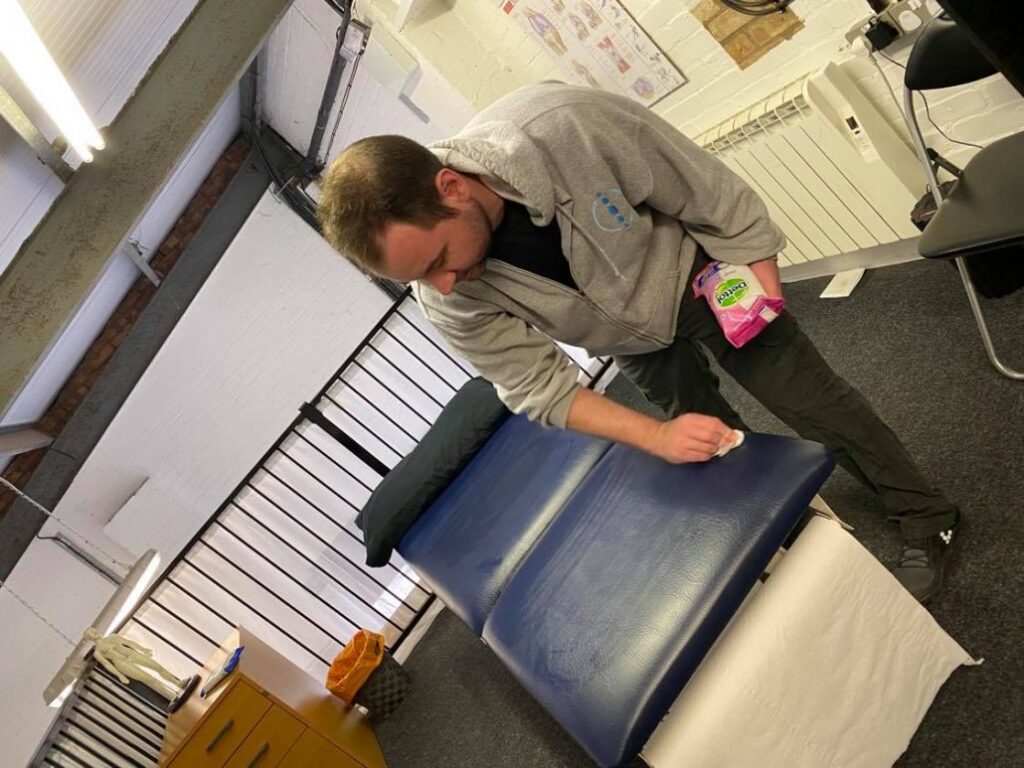
We have increased the frequency of cleaning in the clinic including making sure that common surfaces, toilets door handles etc. are wiped clean using disinfectant products between each client.
We can confirm that the laundering of clinic towels and uniforms is a priority; we can assure you that all clinic laundry is washed at 60 degrees C.
All disposable items are double bagged and safely removed from the treatment areas every day.
All of these procedures have been implemented for your safety and that of our Therapists. We will continue to take advice from the Government and the NHS regarding safe practice and will amend them as necessary.