
Navigating Autumn: The September Shift and the Potential for Injuries
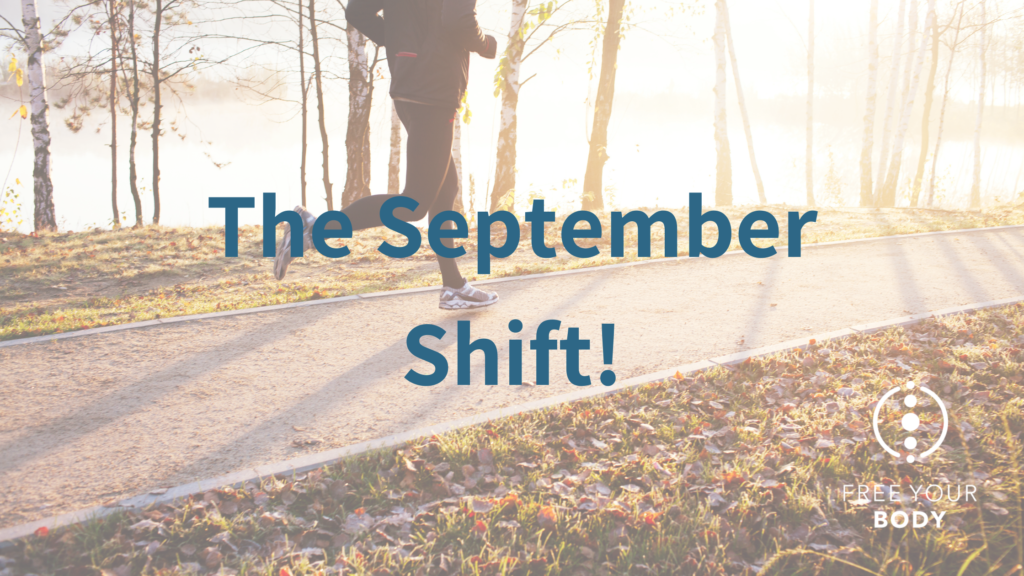
Navigating Autumn: The September Shift and the Potential for Injuries!
As the vibrant colors of summer slowly give way to the warm, earthy hues of autumn, our bodies and minds must adapt to the changing season. September marks the official transition into fall, a time when the landscape transforms, and so do our daily routines and activities. While this shift in seasons can be beautiful and invigorating, it also brings with it an increased potential for injuries. In this blog post, we will explore the unique challenges that autumn and September present and offer guidance on how to stay safe and injury-free during this transitional period.
The September Shift!
September is a month of transition, both in terms of weather and lifestyle. The gradual decrease in daylight hours can affect our circadian rhythms, potentially leading to fatigue and changes in sleep patterns. The cooler temperatures may encourage people to become more active, especially after the often more relaxed pace of summer.
Fallen Leaves & Slippery Surfaces: One of the first things that come to mind when we think of autumn is the abundance of fallen leaves. While they create a picturesque landscape, they can also create hazards. Wet leaves on sidewalks and roads can become slippery, increasing the risk of slips, trips, and falls. These accidents can lead to injuries ranging from minor sprains to more severe fractures.
Changing Exercise Routines: The cooler weather often motivates individuals to engage in outdoor activities like hiking, jogging, or sports. However, a sudden increase in physical activity, especially without proper warm-up and conditioning, can result in muscle strains, ligament sprains, and overuse injuries.
Daylight Changes: As the days get shorter, many people find themselves exercising in reduced visibility conditions, such as early morning or evening workouts. This can increase the risk of accidents and injuries, as it becomes more challenging for drivers and pedestrians to see each other.
Seasonal Allergies: For some, autumn brings with it an uptick in seasonal allergies. Allergic reactions can cause discomfort, fatigue, and decreased performance in physical activities, potentially leading to injuries due to impaired focus and coordination.
Preventing Autumn Injuries:
Footwear Matters: Invest in appropriate footwear with good traction to reduce the risk of slipping on wet leaves or slippery surfaces. For outdoor sports, consider shoes designed for specific activities that provide support and stability.
Warm-Up & Stretch: Prioritise warm-up exercises and stretching routines before engaging in physical activities. This helps prepare your muscles and joints for increased activity and reduces the risk of strains and sprains.
Stay Visible: If you exercise during low-light hours, wear reflective gear and use lights or reflective accessories to make yourself visible to others.
Manage Allergies: If you suffer from seasonal allergies, consider taking allergy medication as recommended by your healthcare provider. This can help alleviate symptoms and ensure you can perform at your best.
Listen to Your Body: Pay attention to any signs of discomfort or pain during activities. Pushing through pain can lead to more severe injuries. If you experience persistent pain or discomfort, seek professional advice from one of our team.
Autumn and September bring a unique set of challenges and opportunities for outdoor activities and exercise. While the beauty of this season is undeniable, it’s crucial to remain vigilant and proactive in preventing potential injuries. By taking the necessary precautions, staying mindful of environmental factors, and listening to your body, you can fully enjoy the autumnal transition while minimising the risk of injuries. If you do experience any discomfort or injuries, don’t hesitate to reach out to our team who can provide expert guidance and treatment to help you stay active and healthy throughout the season.
Regards,
FYB Team x